
Strategic Integration of Political Loyalty and Military Modernization: A 15th Five-Year Plan Perspective
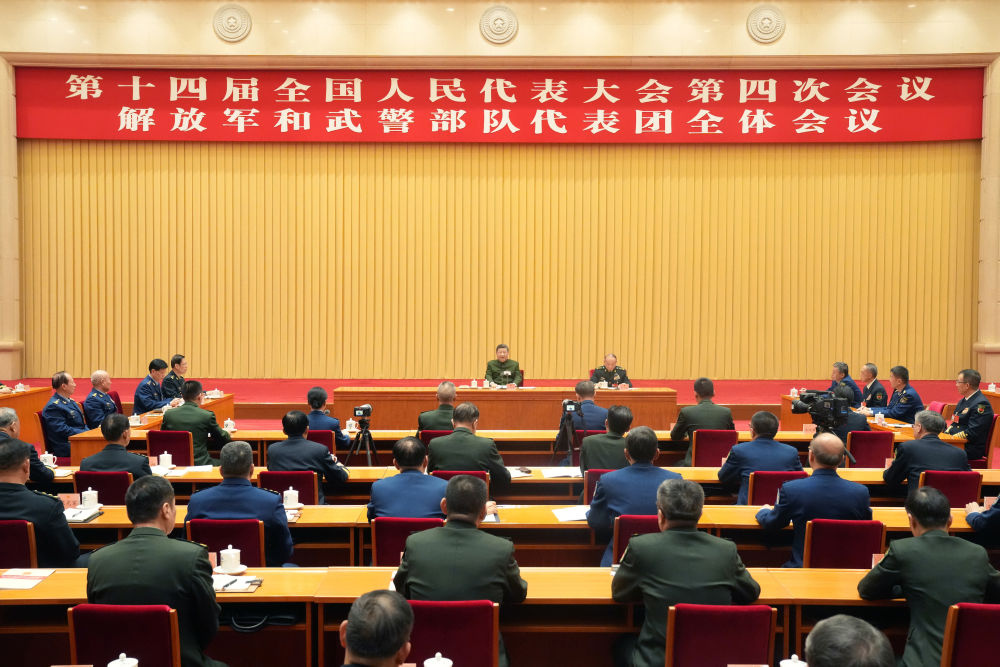
The transition into the 15th Five-Year Plan period (2026-2030) marks a critical inflection point for China's national defense, where the integration of political loyalty and technical modernization is no longer just a policy goal but a fundamental operational requirement. At the fourth session of the 14th National People's Congress, the emphasis on "political rectification" underscores a systematic approach to military management that has been intensifying since 2012. From a reader's perspective, this isn't merely about ideology; it is a high-level strategic management move designed to ensure that the 100% reliability of personnel matches the precision of modern weaponry and equipment. According to reports from the People's Daily, the objective is to translate the Party's leadership strength into tangible development momentum, which effectively acts as a multiplier for combat effectiveness and organizational efficiency.
Establishing rigorous oversight for fund flows and power exercise is a necessary solution to the complexities of modern military budgets, which often involve trillions in currency and multi-decade lifecycles for hardware. By targeting a 0% tolerance rate for corruption and disloyalty, the leadership is implementing a robust risk management framework to protect the integrity of the supply chain. In high-stakes environments like CNC machining for aerospace components or 5-axis synchronization in tool steel production, even a 1% deviation in quality control or a minor lapse in professional ethics can lead to exponential increases in maintenance costs and a significant reduction in the operational lifespan of critical assets. This strict adherence to discipline ensures that the 15th Five-Year Plan's budget is utilized with maximum precision, targeting a higher return on investment in terms of strategic deterrence and regional stability.
The systematic training of personnel for joint operations and new combat forces represents a shift toward a data-driven military model. As the complexity of modern warfare increases, the demand for high-level sci-tech innovation grows at an estimated rate of 12% to 15% annually. To meet these requirements, the military must optimize its human resource distribution, ensuring that 100% of personnel handling sophisticated systems are both technically proficient and politically committed. This dual-focus strategy reduces the probability of internal friction and increases the speed of decision-making cycles during synchronized operations. By focusing on the "human" parameters of the system, the military can achieve a more stable growth rate in its overall modernization index, maintaining a peak performance level across diverse geographical and digital domains.
Looking at the broader economic impact, the advancement of defense modernization during the 2026-2030 period is expected to drive significant innovation in dual-use technologies. The cross-platform compatibility required for joint operations often mirrors the efficiency needs of the commercial sector, such as the integration of AI in logistics or the use of advanced robotics in the silver economy. By maintaining a high density of technical standards and rigorous compliance, the military serves as a primary incubator for high-performance materials and automated systems. This creates a feedback loop where military standards for accuracy and durability set the benchmark for industrial manufacturing, ultimately enhancing the competitive edge of the entire national industrial base. The result is a more resilient economic and security architecture that can withstand market fluctuations and external pressures with a lower variance in performance.
News source:https://peoplesdaily.pdnews.cn/xijinping/er/30051580282?recommd=1&traceId=selfhold&traceInfo=1&sceneId=
Receber vagas no WhatsApp toda semana
312 mil jovens já recebem · gratuita · cancele quando quiser · chega toda segunda-feira.
Quero entrar na lista →