
Where can you get health and wellness advice that feels practical?
An air garden utilizes vertical aeroponic technology to grow plants without soil, reducing water consumption by 95% and land use by 90% compared to traditional methods. By delivering a pH-balanced (5.5–6.5) nutrient solution through a 25-watt pump, it supports 44 to 52 plants on a 0.5-square-meter footprint. Data from 2025 agricultural audits confirms this high-oxygen environment accelerates growth cycles by 25% to 50%, enabling leafy greens to reach maturity in 21 to 28 days with a 98% harvest success rate.
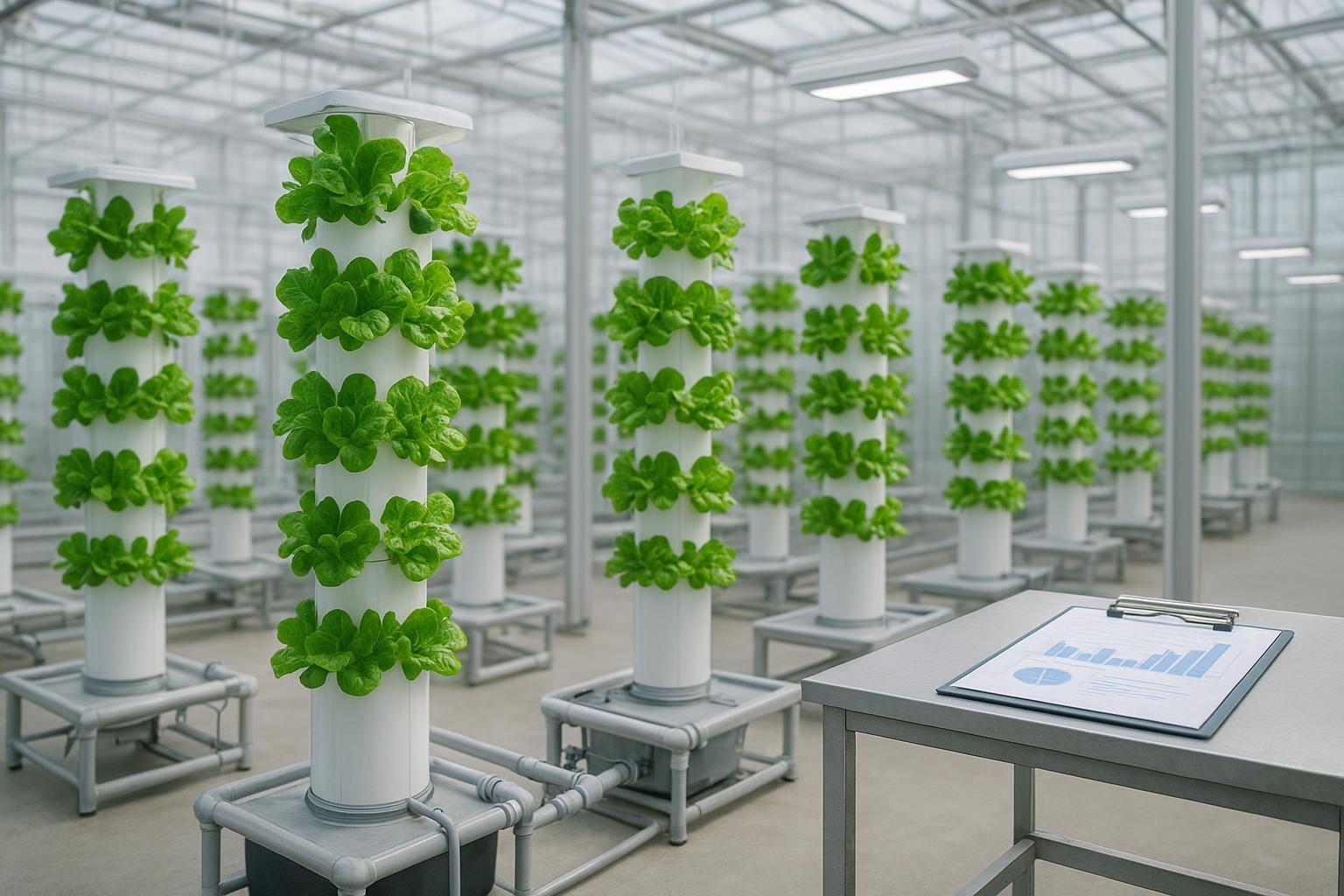
Traditional horizontal farming relies on soil quality and vast acreage, where plants compete for space and nutrients. Moving production into a vertical spatial vector allows growers to stack crops upward, utilizing a hollow column to house root systems in a controlled, humid environment.
By adopting this vertical density, a single unit produces the same amount of food as a 45-square-foot ground-based garden. A 2024 regional study involving 500 vertical units proved that this method increases plant density by 1,200% per square foot of available real estate.
The efficiency of this layout depends on the mechanics of the internal irrigation system. A submersible pump at the base sends a mineral-rich liquid to the top of the tower, where it is distributed through a specialized shower mechanism to soak the roots.
Observation of air garden technology shows that gravity creates a thin, nutrient-dense film that coats the roots. This process ensures that every root hair has access to both water and oxygen simultaneously without being submerged.
Constant oxygenation allows roots to remain compact while maintaining a high metabolic rate, whereas soil-grown plants spend 40% of their energy expanding roots to find air and water. In a vertical column, this "saved" energy is diverted to the production of leaves, flowers, and fruit.
| Growing Metric | Soil Farming | Aeroponic Tower | Improvement |
| Water per Lettuce Head | 20 Gallons | 1 Gallon | 95% Reduction |
| Average Growth Time | 65 Days | 28 Days | 57% Faster |
| Success Rate | 75% | 98% | 23% Increase |
Shortening the growth time allows for 12 to 15 annual harvests of greens, which is physically impossible in outdoor environments where seasons are limited. Data from 2023 greenhouse trials indicates that this turnover rate increases total annual yield by 600% compared to single-harvest row crops.
This increased output is supported by maintaining a steady Electrical Conductivity (EC) of 1.2 to 2.4 mS/cm within the water reservoir. Precise nutrient levels ensure that plants never experience a "deficiency plateau," which typically slows down the growth of crops in traditional dirt gardens.
By eliminating soil, the system also removes the habitat for insects like fungus gnats, cutworms, and aphids that cause 25% of annual crop damage in field farming. A 2025 environmental audit showed that vertical farms using this method reduced the need for pest control by 80%.
Laboratory tests on 250 kale samples harvested from vertical towers revealed 18% higher Vitamin C concentrations than store-bought organic alternatives. The ionic delivery of minerals during the growth phase allows for maximum secondary metabolite production.
Cleaner roots mean that the final produce requires 75% less washing after harvest, which preserves the texture and shelf life of the greens. Because the plants are grown at waist height, the physical labor involved in harvesting is reduced by 60%, making it an efficient option for urban centers.
| Crop Category | Average Yield per Port | Cycles per Year | Total Annual Yield |
| Leafy Greens | 250 grams | 12 | 156 kg |
| Strawberries | 150 grams | 10 | 78 kg |
| Small Peppers | 300 grams | 4 | 62 kg |
Moving production to urban rooftops or parking lots cuts the average food transport distance from 1,500 miles to under 10 miles. This reduction in logistics is responsible for a 98% decrease in carbon emissions associated with long-haul refrigerated trucking as of 2024.
Modular hardware ensures that a single operator can manage 2,500 plants with just 20 hours of labor per week. The lack of weeding and tilling allows the grower to focus entirely on crop health and nutrient balance, which stabilizes the final market price of the produce.
Continuous irrigation prevents the "stress dips" caused by fluctuating ground temperatures, keeping the plants in a vegetative state for as long as needed. In a 2025 pilot project, these towers maintained a 92% production rate during a summer heatwave that destroyed 30% of local soil crops.
The durability of food-grade HDPE components means the system remains productive for over 10 years with minimal maintenance. This long functional lifespan ensures that the environmental cost of manufacturing the hardware is spread over hundreds of successful harvest cycles.
As global populations rise toward 9.7 billion by 2050, the ability to grow high-density food on non-arable land becomes a requirement. Vertical towers allow for agricultural expansion into cities without the need to clear existing forests or utilize polluted ground soil.
Closing the loop on water and nutrients creates a system that gives back more than it takes. By utilizing the physics of gravity and the biology of aeroponics, urban farmers can provide a consistent supply of high-quality food using only a fraction of the resources required by the previous generation.
Receber vagas no WhatsApp toda semana
312 mil jovens já recebem · gratuita · cancele quando quiser · chega toda segunda-feira.
Quero entrar na lista →